
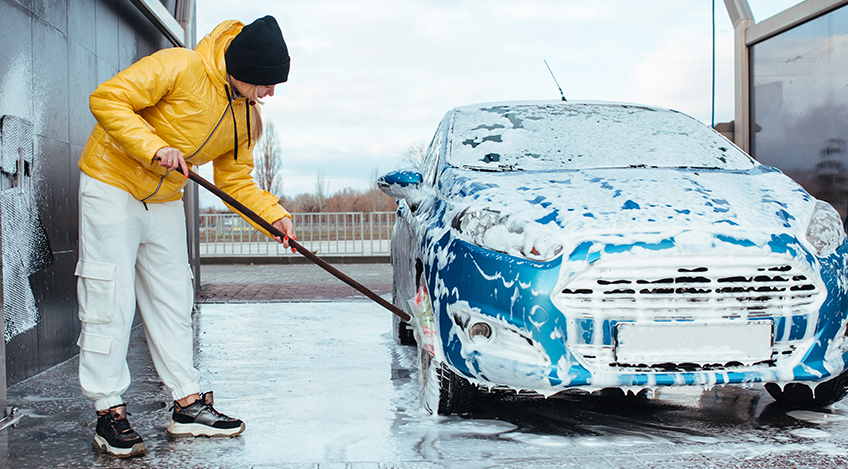
The weather has a big effect on how well and how often car wash equipment needs to be serviced. Whether you manage a small self-service bay or a high-volume automatic tunnel, the changing seasons can bring both challenges and opportunities. Understanding how different weather conditions affect equipment and knowing how to prepare helps protect your investment, reduce downtime, and maintain consistent wash quality all year.
How Hot Weather Affects Car Wash Operations
High temperatures and intense sunlight can place a heavy strain on essential machinery. In the summer months, pumps and motors tend to run hotter, which can cause overheating if they are not adequately cooled or maintained. Excessive heat also affects chemical effectiveness because some detergents and waxes become less stable at high temperatures. Water evaporates faster during the wash cycle, which can alter the pressure balance and reduce cleaning efficiency.
To prepare for hot seasons, it is important to inspect cooling fans, ventilation systems, and pump housings regularly. Add shade structures or reflective barriers where possible. Storing chemicals in temperature-controlled areas helps preserve their strength. By maintaining proper airflow and adjusting chemical ratios during summer, you protect your car wash equipment and ensure more consistent wash results.
Cold Weather Challenges and How to Respond
Winter poses even greater risks for equipment, especially in areas that experience freezing temperatures. Pipes, hoses, and nozzles are particularly vulnerable to ice buildup. When water freezes inside components, the expanding ice can cause cracks, leaks, and complete system failure. Cold temperatures also thicken lubricants, placing strain on moving parts and reducing operational speed.
The best preparation involves winterizing your system before cold weather arrives. This includes insulating exposed pipes, installing freeze protection valves, and ensuring that all water lines drain properly when not in use. Many operators also rely on heated floors or bay heaters to prevent ice accumulation inside wash areas. Regularly inspecting pumps and motors for signs of stress helps catch potential failures early. A well-prepared winter strategy keeps your car wash equipment running smoothly, even during harsh conditions.
Rain and Humidity Effects on Equipment Components
Rain itself does not typically harm equipment, but excess moisture can affect electrical systems, sensors, and controllers. Humidity increases the risk of corrosion, especially on metal components like brushes, rails, and frames. Electrical control panels exposed to moisture may short-circuit, malfunction, or require frequent repairs.
To reduce these risks, make sure all electrical systems are sealed and weather-rated. Applying anti-corrosion coatings to metal parts extends their lifespan and prevents rust. Ventilation is important because it reduces condensation buildup around motors and control boxes. Consistent cleaning and drying of equipment surfaces also helps prevent long-term damage caused by moisture.
How Wind and Storms Can Disrupt Operations
Strong winds can blow debris into wash bays, damaging brushes, clogging filters, and reducing air dryer efficiency. Storms may also cause power outages that interrupt service and place sudden stress on electrical systems when power returns. Outdoor vacuums, signage, and payment kiosks can be vulnerable to wind damage if they are not anchored securely.
To prepare for storms, operators should perform regular cleanups around the property, remove loose debris, and inspect anchoring points for all outdoor equipment. Surge protectors and backup power solutions help protect sensitive components. After severe weather, a full system inspection ensures that nothing has shifted, loosened, or been damaged during high winds.
Creating a Year-Round Weather Preparedness Plan
Every season brings its own set of risks, but operators who plan ahead can minimize disruptions and extend the life of their investment. A year-round maintenance schedule that includes seasonal adjustments ensures your car wash equipment stays reliable. This includes conducting pre-season inspections, stocking essential spare parts, and training staff on how weather affects operations.
By understanding how different weather conditions impact your equipment and implementing preventive steps, you can maintain high performance, avoid costly repairs, and keep customers satisfied in every season.